

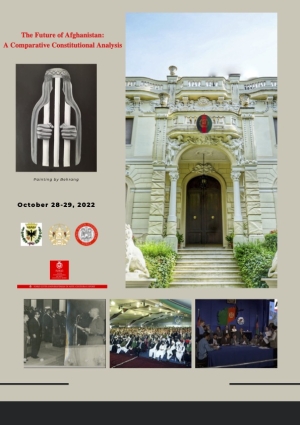
Il 28 e 29 ottobre 2022, con gli auspici dell’Università di Bologna e dell’Ambasciata della Repubblica islamica dell’Afghanistan in Roma, si sono riuniti studiosi afghani e italiani, per discutere insieme del futuro dell’Afghanistan, partendo dall’analisi comparata del quadro giuridico e costituzionale del Paese. Ogni relatore ha portato la propria personale chiave di lettura in merito alle ragioni che hanno contribuito alla crisi del sistema, con la conseguenza presa di potere dei talebani.
In prospettiva futura e costruttiva, è stato ribadito il ruolo centrale della Costituzione per lo sviluppo di un Afghanistan fondato sui valori dell’eguaglianza e non discriminazione, della rappresentanza popolare, del rispetto reciproco, della giustizia e pace, della valorizzazione delle identità locali all’interno dell’unità dello Stato.
Alcune raccomandazioni sono emerse come auspicabili riforme della forma di Stato e di governo, in grado di rafforzare la Costituzione in senso democratico e inclusivo:
1) il decentramento del potere, sia nella forma di governo, ossia nel senso di una piena realizzazione della separazione dei poteri e di effettivi checks and balances, attraverso una diminuzione dei poteri dell’Esecutivo, il rafforzamento della funzione di indirizzo e controllo del Parlamento e dell’indipendenza del giudiziario; sia nella forma di Stato, ossia verso la distribuzione territoriale del potere agli organi rappresentativi regionali e locali;
2) la valorizzazione del principio rappresentativo, attraverso istituti di garanzia della partecipazione popolare e democratica alla definizione delle politiche di sviluppo del Paese;
3) la piena attuazione e garanzia del principio di eguaglianza formale e sostanziale, senza discriminazioni di genere, etnia, lingua e religione, attraverso la valorizzazione del principio plurinazionale, dell’unità nella diversità, nel rispetto di tutte le identità individuali e collettive che costituiscono il grande popolo afghano;
4) alla luce di tale presupposto, l’istituzione di forme di giustizia transizionale, affinché si possa accertare la verità storica sulle ingiustizie e i crimini dei regimi del passato, per la pacificazione interetnica e interreligiosa, condizione fondamentale per una società che guarda al futuro, pur ricordandosi del proprio passato;
5) valorizzazione del ruolo della donna in una società aperta e inclusiva, che riconosce il potere emancipatorio dell’educazione delle proprie bambine e dei propri bambini, delle e degli adoloscenti e giovani.
Questo manifesto è il legato che la comunità di studiosi riunitasi a Forlì e a Roma in questi due giorni vuole simbolicamente trasmettere alle Afghane e agli Afghani in tutto il mondo, che insieme vogliono costruire un futuro migliore per il loro Paese.
Tuttavia, in considerazione del proprio ruolo diplomatico, l’Ambasciata e missione della Repubblica dell’Afghanistan a Roma ribadisce che le posizioni espresse dagli eminenti studiosi partecipanti non rappresentano le posizioni dell’Ambasciata.
L’Ambasciata ribadisce fermamente che nonostante le sfide costituite dall’implementazione del sistema costituzionale in Afghanistan, le costituzioni del 1968 e del 2004 sono state tra le più democratiche ed efficienti nella regione.
Negli ultimi due decenni, con l’aiuto della comunità internazionale, il Governo ha raggiunto importanti risultati nell’attuazione della rule of law, creando in tal modo le condizioni per una vita di libertà nel paese, formando Governi inclusivi, difendendo la libertà di espressione, garantendo alle ragazze e alle donne, così come alle minoranze etniche, i loro diritti, appoggiando lo sviluppo della società civile, creando un giudiziario indipendente per tutelare la giustizia e l’eguaglianza, e molti altri innegabili risultati.
Perciò, pensiamo che questa conferenza, organizzata con l’aiuto dell’Università di Bologna e che ha portato eminenti studiosi italiani e stranieri, attivisti, esperti, parlamentari, militari e personale delle forze di sicurezza, diplomatici, ecc., a riflettere sull’importanza della Costituzione e degli strumenti di garanzia dei diritti ivi proclamati, possa rappresentare un importante contributo per la continuazione del dialogo infra-Afghano sulla pace, attraverso il quale i diritti dei cittadini afghani, specialmente delle donne, giovani e minoranze vengano pienamente protetti, e un Governo costituzionale eletto possa finalmente stabilirsi in Afghanistan.
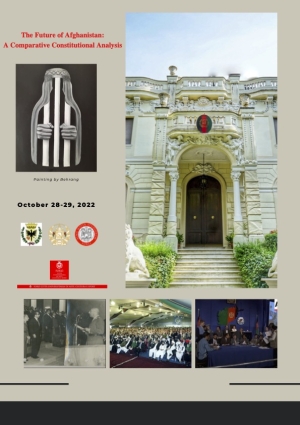
On 28 and 29 October 2022, under the auspices of the University of Bologna and the Embassy and Mission of the Islamic Republic of Afghanistan in Rome, indigenous and non-indigenous scholars gathered to discuss the future of Afghanistan, starting from the comparative analysis of the legal and constitutional framework of the country. Each speaker brought his/her own personal interpretation of the reasons that have contributed to the crises in Afghanistan. From a constructive perspective, the central role of the constitution for the development of Afghanistan has been reaffirmed. The constitutional basis of the State should be represented by the values of equality and non-discrimination, popular representation, mutual respect, justice and peace as well as the enhancement of local identities within the unity of the State.
Some of the following recommendations emerged as desirable reforms of the form of state and government, in order to strengthen the role of the constitution in a democratic and inclusive sense:
1) The decentralisation of power, both in the form of government, in the sense of full implementation of the separation of powers and effective checks and balances, through a decrease in the powers of the executive branch, the strengthening of parliament and the independence of the judiciary; whether, in the form of a state, in the sense of distribution of power and other incentives to the local and provincial representative bodies;
2) The empowerment of the representative principle, through institutions that can guarantee popular and democratic participation in the definition of the country’s development policies;
3) The implementation and guarantee of the principle of formal and substantial equality, without discrimination of gender, ethnicity, language, denomination and religion, by promoting the plurinational principle of unity in diversity, respecting all the individual and collective identities, which make up the great Afghan people;
4) The establishment of forms of transitional justice, in the light of the above premise, to set out historical truths and create inter-ethnic and inter-religious pacification, a fundamental condition for a society that looks to the future, while remembering their shared historical past; and
5) The enhancement of the role of women and youth in an open and inclusive society, which recognizes the emancipatory power of the education of children, adolescents and young people.
This manifesto is the legacy that the community of Afghan and Italian scholars gathered in Forlì and Rome in these two days, which symbolically needs to be conveyed to the Afghans inside the country and Afghans around the world, who together are fighting to build a better future for their country.
However, considering the diplomatic stance of this Embassy and Mission in Rome, the views presented by the esteemed speakers during the conference over the past two days, do not represent nor portray those of the Embassy and Mission of the Islamic Republic of Afghanistan in Rome, Italy.
The Embassy and Mission of the Islamic Republic of Afghanistan in Rome firmly believes that although there were challenges in enforcing the constitution in Afghanistan, the ratified constitutions of 1964 in the country has been one of the most progressive and efficient and the 2004 constitution has been one of the most democratic in the region.
In the last two decades, with the help of the international community, the Islamic Republic of Afghanistan has had great achievements in enforcing the rule of law and thus creating an environment for the people to freely live in the country. Forming inclusive governments, providing freedom of speech, granting girls and women as well as ethnic minorities with their legal and natural rights, developing a robust civil society, creating independent judicial bodies for preserving justice and equality and many more are the great achievements that no one can ignore nor deny.
Therefore, we conclude that organizing this conference with the help of the University of Bologna, which brought together indigenous and non-indigenous academics, activists, experts, parliamentarians, military/security personnel, and diplomats living in Afghanistan, Italy, and across the world was an opportunity to reflect on the importance of the constitutional framework as well as ways and means to safeguard the rights and values as envisaged in the current living constitution of Afghanistan. Additionally, these recommendations contained in the manifesto can be used as a vital legal base in the possible continuation of the intra-Afghan peace talks, through which the rights of all Afghan citizens, especially women, girls and minorities are fully protected, and that an inclusive and elected government based on a ratified and viable constitution is established in Afghanistan.

 فارسی
فارسی  پښتو
پښتو 